
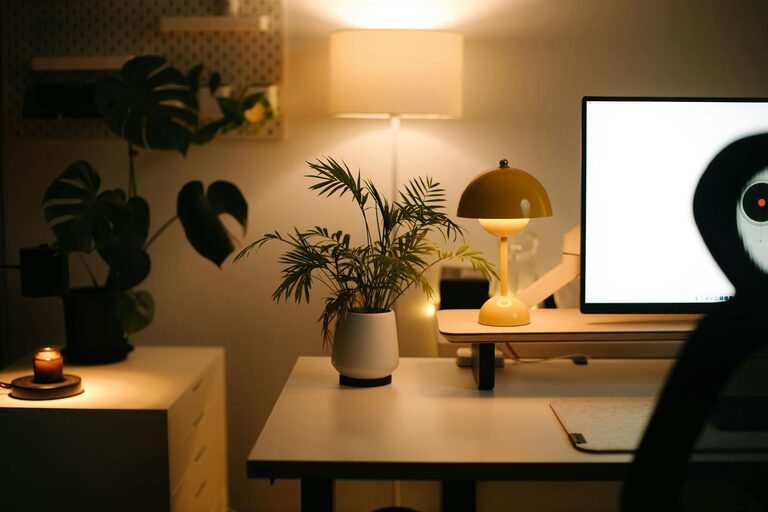
Tips for Creating a Relaxing Home Office Environment
Creating a relaxing home office environment is essential for staying focused, motivated, and comfortable throughout your workday. Whether you work from home full-time or occasionally, a thoughtfully designed workspace can make all the difference in your productivity and overall well-being. In this post, we will explore helpful tips and ideas to transform your home office into a calming, efficient, and enjoyable space.
Why a Relaxing Home Office Matters
A home office is more than just a desk and a computer — it’s where you spend hours focusing on tasks and managing responsibilities. When your workspace is cluttered, uncomfortable, or uninspiring, it can contribute to stress and burnout. Conversely, a relaxing environment supports concentration, creativity, and even your physical health.
Choose the Right Location
Selecting the best spot for your home office is the first step. If possible, find a quiet corner or a separate room where you can minimize distractions.
– Natural light: Position your desk near a window to benefit from sunlight, which can boost mood and energy.
– Away from distractions: Avoid placing your office too close to noisy areas or high-traffic parts of your home.
– Adequate space: Ensure you have enough room for your equipment and to move comfortably.
Invest in Comfortable Furniture
Your furniture plays a key role in comfort and posture during work hours.
– Ergonomic chair: Choose a chair with proper lumbar support, adjustable height, and comfortable cushioning.
– Desk size: Select a desk large enough for your computer and workspace essentials without feeling cramped.
– Consider standing desks: If you prefer alternating between sitting and standing, look into adjustable desks.
Organize and Declutter
A clean and organized workspace helps reduce stress and improves focus.
– Storage solutions: Use shelves, drawers, and organizers to keep papers and supplies tidy.
– Cable management: Tidy up cords with clips or sleeves to avoid tangled messes.
– Minimal décor: Keep decorations simple to avoid visual clutter that can be distracting.
Choose a Soothing Color Palette
Colors impact mood and productivity.
– Neutral tones: Soft whites, grays, or beiges create a calm foundation.
– Accent colors: Incorporate gentle blues or greens, which are known to have relaxing qualities.
– Personalize with care: Add a few favorite colors or art pieces that inspire but don’t overwhelm.
Pay Attention to Lighting
Proper lighting is essential for reducing eye strain and creating ambiance.
– Layer lighting: Use a combination of natural light, overhead lights, and task lighting.
– Adjustable desk lamp: A lamp with adjustable brightness and direction helps focus light where needed.
– Avoid glare: Position screens and lights to minimize reflections.
Add Elements of Nature
Bringing natural elements into your office can reduce stress and refresh your mind.
– Indoor plants: Easy-care plants like succulents or pothos add greenery and improve air quality.
– Nature sounds: Consider soft soundtracks like birdsong or flowing water for a peaceful atmosphere.
– Natural materials: Incorporate wood, stone, or woven baskets in furniture and accessories.
Maintain Good Air Quality
Fresh air helps keep your mind clear and alert.
– Ventilate regularly: Open windows when possible to bring in fresh air.
– Air purifiers: If outdoor air quality is poor, an air purifier can help reduce allergens.
– Avoid strong scents: Use mild, natural fragrances rather than overpowering chemical sprays.
Set Boundaries Between Work and Home
Creating a separation between work and relaxation is important when working at home.
– Defined schedule: Set regular work hours and stick to them.
– Physical boundaries: Close the office door or use room dividers to distinguish work areas.
– End-of-day routine: Clear your desk and switch off work devices to signal the end of the day.
Personalize Your Space
Adding elements that make the space feel inviting encourages you to spend time there.
– Photos or artwork: Display images that motivate or bring joy.
– Comfort items: Include a cozy throw, cushion, or slippers.
– Inspiration board: Use a corkboard to pin notes, goals, or quotes.
Use Technology Wisely
Minimize digital distractions and optimize your tools.
– Cable organizers: Keep cords tidy to reduce mess.
– Quality equipment: Investing in a good keyboard, mouse, and headset can improve comfort.
– Limit notifications: Turn off non-essential alerts during work time.
Take Breaks and Move
A relaxing office isn’t just about setup — how you use the space matters too.
– Scheduled breaks: Step away regularly to stretch or rest your eyes.
– Movement: Incorporate light exercises or walking to reduce tension.
– Comfortable seating: Have an area where you can step away from the desk to recharge.
—
By paying attention to these aspects of your home office, you can create a space that not only looks good but also feels good. A relaxing environment supports your productivity and helps maintain a healthy work-life balance. Take time to tailor your office to your needs, and watch how that positive change impacts your daily work experience.
